
How Engine Care Ensures Success for Novated Leases
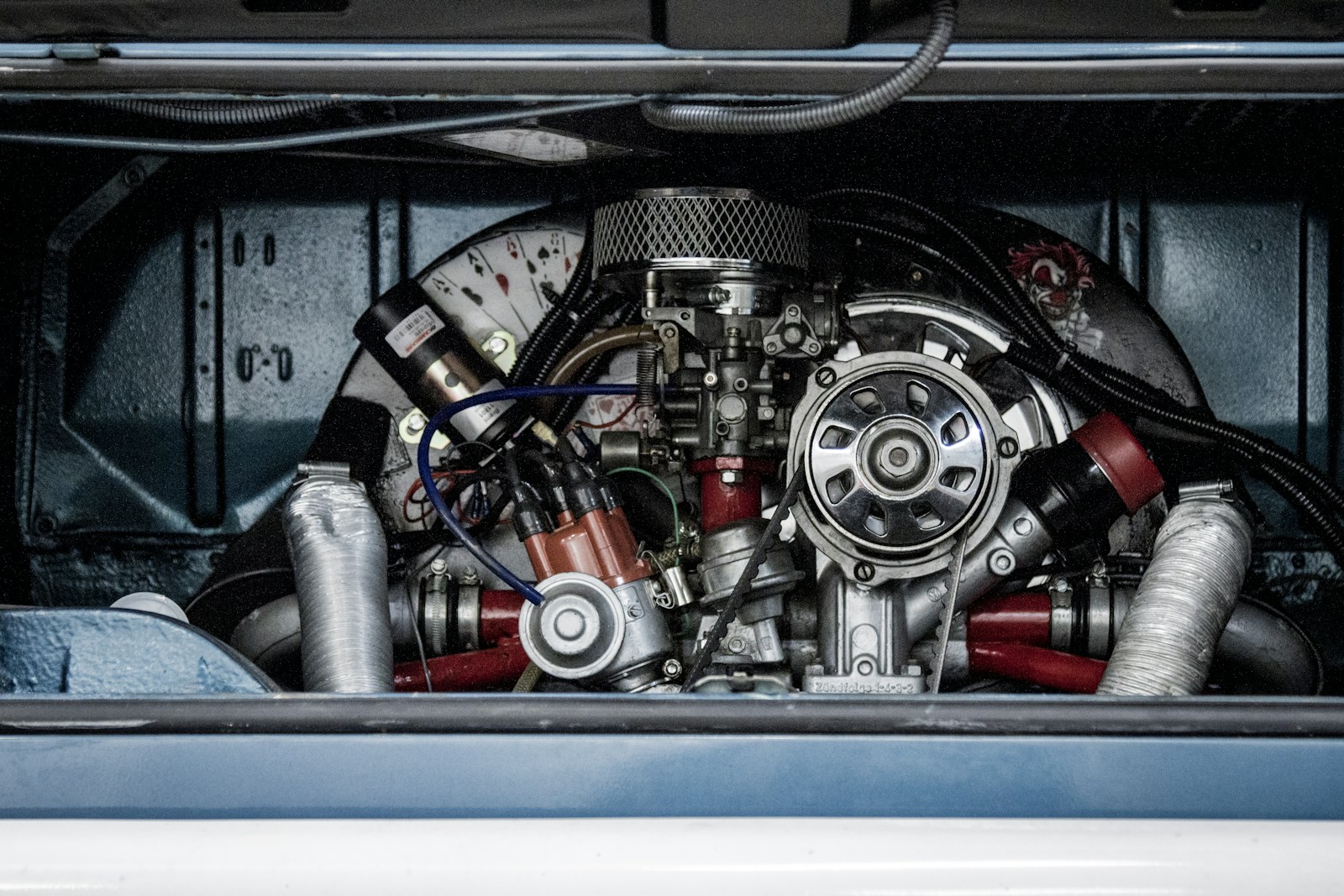
Your car’s engine is the heart of its performance, and when it comes to novated leases, proper engine care plays a critical role in ensuring a smooth and cost-effective leasing experience. Neglecting engine maintenance can lead to expensive repairs, downtime, and penalties when returning the car at the end of the lease term. Whether driving a novated lease used car or a brand-new vehicle, proactive care is essential to maximise value and minimise headaches.
The Connection Between Engine Maintenance and Leasing
Most novated lease agreements require you to maintain the car in good condition throughout the lease period. Regular engine care prevents issues like overheating, oil leaks, and reduced efficiency, ensuring your vehicle meets return standards.
Why Engine Maintenance Matters:
- Minimises Repairs: Regular checks prevent small issues from escalating into major problems.
- Enhances Fuel Efficiency: A well-maintained engine optimises fuel usage, saving you money.
- Avoids Lease Penalties: Proper care helps meet the conditions of your lease agreement.
For detailed guidance on preventing engine problems, explore our engine maintenance tips.
Top Engine Care Tips for Leased Vehicles
1. Oil Changes
Oil is essential for lubricating engine components and reducing friction. Following the manufacturer’s schedule for oil changes ensures smooth operation and prolongs engine life.
2. Coolant System Checks
Coolant prevents overheating by regulating engine temperature. Inspect coolant levels regularly and flush the system every 2-3 years to maintain optimal performance.
3. Timing Belt Replacement
The timing belt keeps the engine’s components in sync. Replace it every 100,000 kilometres or as recommended by the manufacturer to avoid expensive damage.
4. Air Filter Maintenance
A clean air filter ensures proper airflow, enhancing engine performance and fuel efficiency. Replace it every 15,000 to 30,000 kilometres.
5. Battery Care
The battery powers your engine’s start-up and supports electrical systems. Check for corrosion, secure the terminals, and replace the battery if necessary to avoid disruptions.
How Proper Maintenance Prevents Lease Penalties
Failing to maintain your engine can lead to excessive wear and tear, resulting in penalties when returning the leased vehicle. Here’s how proper care can help:
- Prevents Excessive Wear: Regular servicing ensures components like spark plugs, fuel injectors, and belts remain in good condition.
- Reduces Repair Costs: Fixing minor issues early prevents costly repairs later.
- Maintains Resale Value: A well-maintained car holds its value better, which benefits you if you decide to buy out the lease.
Learn more about diagnosing engine problems with our troubleshooting guide.
FAQs About Engine Care in Novated Leases
1. How often should I service a leased car?
Most manufacturers recommend servicing every 10,000 to 15,000 kilometres or annually.
2. Does engine care affect fuel efficiency?
Yes, regular maintenance optimises engine performance, improving fuel economy and reducing costs.
3. What happens if I don’t maintain my leased vehicle?
Neglecting maintenance can lead to penalties, additional charges, or loss of warranty coverage under your lease agreement.
4. Can I perform engine maintenance myself?
While basic checks like monitoring oil and coolant levels can be done at home, professional servicing is crucial for thorough care.
5. Why is the timing belt important in engine care?
A worn or broken timing belt can cause severe damage to your engine. Regular replacement ensures smooth operation and prevents costly repairs.
Conclusion
Engine care is integral to a successful novated lease experience. By prioritising regular maintenance, you can avoid costly repairs, maintain fuel efficiency, and adhere to lease conditions.Stay proactive with your vehicle’s health and enjoy a seamless leasing journey by following these engine care tips.