
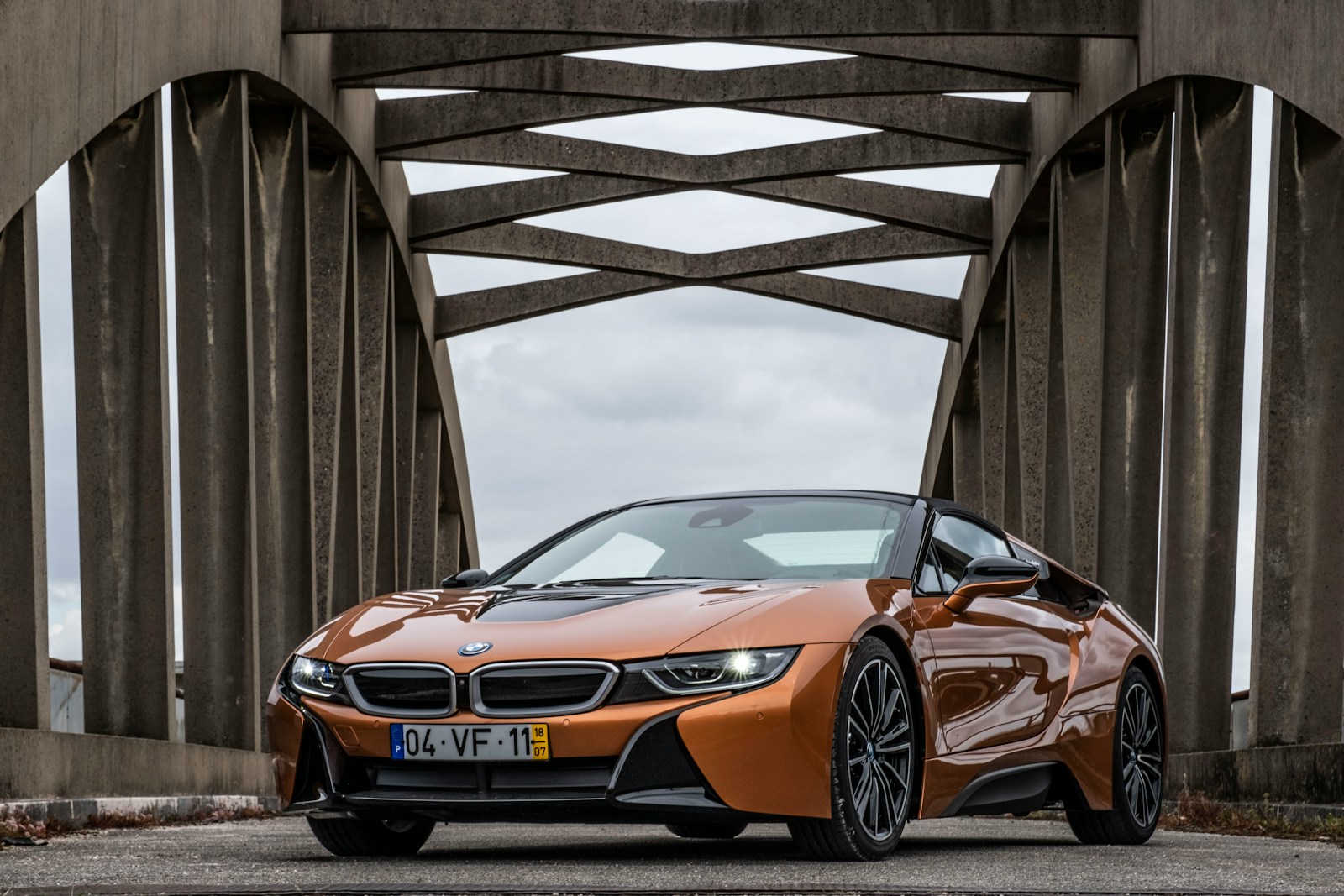
Your car’s engine is the heart of your vehicle, but the way you drive can significantly affect its performance, longevity, and reliability. Aggressive acceleration, frequent short trips, and neglecting maintenance can increase wear and tear, reduce fuel efficiency, and lead to costly repairs.
European cars, in particular, require careful handling and expert servicing to maintain their precision engineering and high-performance capabilities. By understanding which driving habits harm your engine, you can make adjustments to prolong its lifespan and ensure smoother performance.
1. Hard Acceleration and Sudden Braking
Many drivers love the power and speed of European cars, but aggressive acceleration and sudden braking can strain the engine and other key components.
How It Affects Your Engine:
- Rapid acceleration forces the engine to work harder, increasing fuel consumption and wear on pistons and cylinders.
- Sudden braking disrupts oil circulation, reducing lubrication and leading to friction-related engine damage.
✅ Best Practice: Accelerate smoothly and maintain steady speeds to reduce unnecessary engine stress.
🔗 Read More: How to Solve Common Engine Problems
2. Short Trips and Stop-and-Go Driving
Frequent short-distance driving prevents your engine from reaching optimal operating temperature, leading to poor fuel combustion, oil contamination, and increased carbon buildup.
Why This Is Harmful:
- The engine doesn’t have time to fully circulate oil, reducing lubrication.
- Excess moisture builds up in the engine, leading to corrosion and sludge formation.
- The battery and alternator don’t recharge properly, affecting electrical components.
✅ Best Practice: Take longer drives whenever possible to allow the engine to fully warm up and burn off contaminants.
3. Revving the Engine When Cold
Many drivers rev their engines immediately after starting the car, especially in colder months. However, this can cause serious engine damage.
Why This Is Harmful:
- When cold, the engine oil is thicker and doesn’t lubricate components effectively.
- Revving forces the engine to operate under stress before reaching optimal temperature, increasing wear on the pistons and bearings.
✅ Best Practice: Let your engine idle for 30-60 seconds before driving, allowing the oil to circulate properly.
4. Ignoring the Check Engine Light
The check engine light is designed to warn you about potential issues before they turn into major problems. Ignoring it can lead to:
- Reduced fuel efficiency
- Increased emissions and engine misfires
- Serious mechanical failures such as catalytic converter damage or ignition coil failure
✅ Best Practice: Have your engine scanned as soon as the check engine light appears to diagnose the problem early.
🔗 Read More: Battery or Engine Problems? How to Identify and Solve Them
5. Delaying Oil Changes and Maintenance
Skipping regular oil changes and maintenance checks is one of the fastest ways to ruin your engine.
Why This Is Harmful:
- Dirty or old oil loses its lubricating properties, increasing engine friction.
- Sludge buildup clogs essential engine components, leading to overheating.
- Delayed maintenance causes small issues to turn into costly repairs.
✅ Best Practice: Follow the manufacturer’s recommended maintenance schedule and use high-quality engine oil for optimal performance.
Why You Need a European Car Specialist for Engine Maintenance
European cars feature high-performance engines, turbocharged systems, and advanced electronics that require expert handling. A professional European auto service ensures:
- Proper diagnostic checks to identify and fix issues early.
- Genuine OEM parts that maintain engine performance and longevity.
- Manufacturer-approved maintenance practices for reliability.
Working with a certified European car mechanic helps prevent engine failures and unexpected breakdowns.
Final Thoughts
Your driving habits play a crucial role in your car’s engine health. By avoiding aggressive acceleration, frequent short trips, and delayed maintenance, you can prolong engine lifespan, improve fuel efficiency, and reduce repair costs.
Schedule a professional engine inspection today to ensure your vehicle runs smoothly for years to come!
FAQs
How does aggressive driving affect engine health?
Hard acceleration and sudden braking increase engine wear, fuel consumption, and heat buildup, leading to premature damage.
Why are short trips bad for the engine?
Short trips prevent the engine from warming up properly, leading to poor oil circulation, fuel contamination, and carbon buildup.
What’s the best way to warm up my car in winter?
Avoid revving the engine; instead, let it idle for 30-60 seconds before driving at a moderate speed.
How often should I service my European car?
Most European vehicles require servicing every 10,000 to 15,000 km, depending on the manufacturer’s recommendations.
Drive smarter and protect your engine—book a professional service today!