
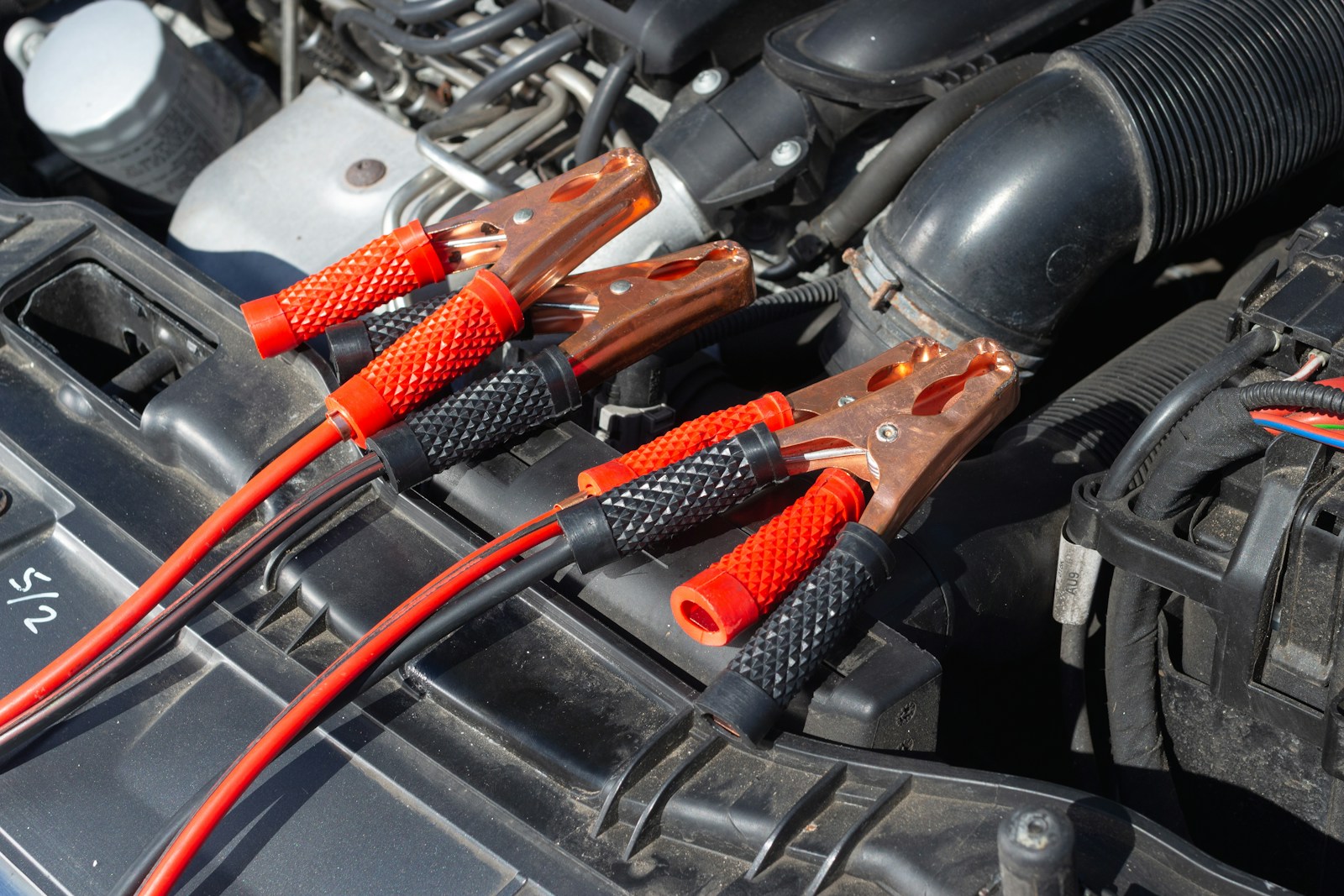
Car troubles often fall into two main categories: battery issues or engine malfunctions. These problems can disrupt your daily routine, lead to expensive repairs, and, in some cases, leave you stranded. By understanding the symptoms and knowing when to act, you can minimise disruptions and keep your vehicle in top shape. This blog dives into common battery and engine issues, their signs, and practical solutions.
Common Signs of Battery Problems
The battery is the power source for your vehicle’s electrical systems, including the engine’s ignition. Here’s how to identify when your battery is causing trouble:
- Slow Engine Cranking
A sluggish start is a common indicator of a weakening battery. If your vehicle struggles to start, it’s time to check your battery. - Dim Lights or Flickering Electronics
Headlights or dashboard lights that are dim or flicker signal that the battery might be struggling to provide adequate power. - Frequent Jumpstarts
If you frequently need to jumpstart your car, the battery is likely at the end of its life. - Corroded Terminals
White or greenish deposits on battery terminals can interfere with the electrical connection, reducing performance.
For reliable and high-quality batteries, explore the options from DC Direct, designed to offer consistent performance and long-term reliability.
Common Signs of Engine Problems
The engine is the heart of your vehicle, and any issues with it can significantly impact your car’s performance. Here are some red flags to watch for:
- Check Engine Light
A glowing check engine light is a warning that something is wrong. It could range from a simple sensor issue to a more severe engine malfunction. - Strange Noises
Knocking, grinding, or clicking sounds often indicate worn-out engine components or internal damage. - Smoke from the Exhaust
- Blue smoke: Suggests oil is burning in the engine.
- White smoke: Indicates coolant leaks.
- Black smoke: Points to inefficient fuel burning.
- Rough Idling or Stalling
If your engine struggles to maintain a steady RPM or stalls frequently, it’s a clear sign of trouble.
For an in-depth look at engine components and how they work, visit our guide on understanding car engines.
Diagnosing Battery vs Engine Problems
- Battery Testing
If your vehicle doesn’t start but jumpstarts successfully, the battery is likely the culprit. - Listening to Sounds
A clicking sound usually points to a weak battery, while grinding or knocking noises often indicate engine trouble. - Inspecting Warning Lights
- A battery-shaped warning light means your electrical system is compromised.
- The check engine light typically signals an engine or sensor issue.
- Examining Physical Components
Corroded terminals or a swollen battery case are clear signs of a failing battery, while visible oil leaks or excessive smoke hint at engine problems.
Solutions for Battery and Engine Issues
For Battery Problems:
- Replace or Recharge: If your battery is weak or old, replacing it with a high-performance option is the best solution.
- Clean Terminals: Removing corrosion can restore a strong connection.
- Check the Alternator: Ensure the alternator is charging the battery correctly.
For Engine Problems:
- Routine Maintenance: Regular oil changes, air filter replacements, and inspections can prevent many issues.
- Address Warning Signs Early: Don’t ignore unusual noises or the check engine light. Get a diagnostic test as soon as possible.
- Consult Professionals: Serious engine problems, like timing belt issues, require expert intervention.
Preventative Tips for Avoiding Issues
- Invest in a Quality Battery
A durable battery, like those offered by DC Direct, ensures reliable performance and reduces the risk of sudden failures. - Drive Regularly
Regular use keeps the battery charged and the engine components in good condition. - Follow a Maintenance Schedule
Adhere to your vehicle’s recommended maintenance intervals to prevent costly problems. - Monitor Fluid Levels
Keep an eye on oil, coolant, and other fluid levels to avoid overheating and engine damage.
FAQs About Battery and Engine Problems
Q: How often should I replace my car battery?
Most car batteries last 3–5 years, depending on usage and environmental factors.
Q: Can a weak battery damage the engine?
Yes, a failing battery can strain the alternator and other components, indirectly affecting engine performance.
Q: What does it mean if both the check engine light and battery light are on?
This could indicate a problem with the alternator, which affects both the battery and the engine.
Q: When should I see a mechanic for engine problems?
If you notice strange noises, smoke, or persistent warning lights, consult a professional immediately.
Conclusion
Understanding the differences between battery and engine problems can save you time and money. By spotting the warning signs early and addressing them with proactive solutions, you can keep your car running smoothly and avoid unexpected breakdowns. For more insights into engine performance, visit our guide on engine valves. Regular maintenance and high-quality components are the key to a hassle-free driving experience.
e know if you need further refinements!